Skip to content

Your cart summary

Your cart is empty.

Browse our products

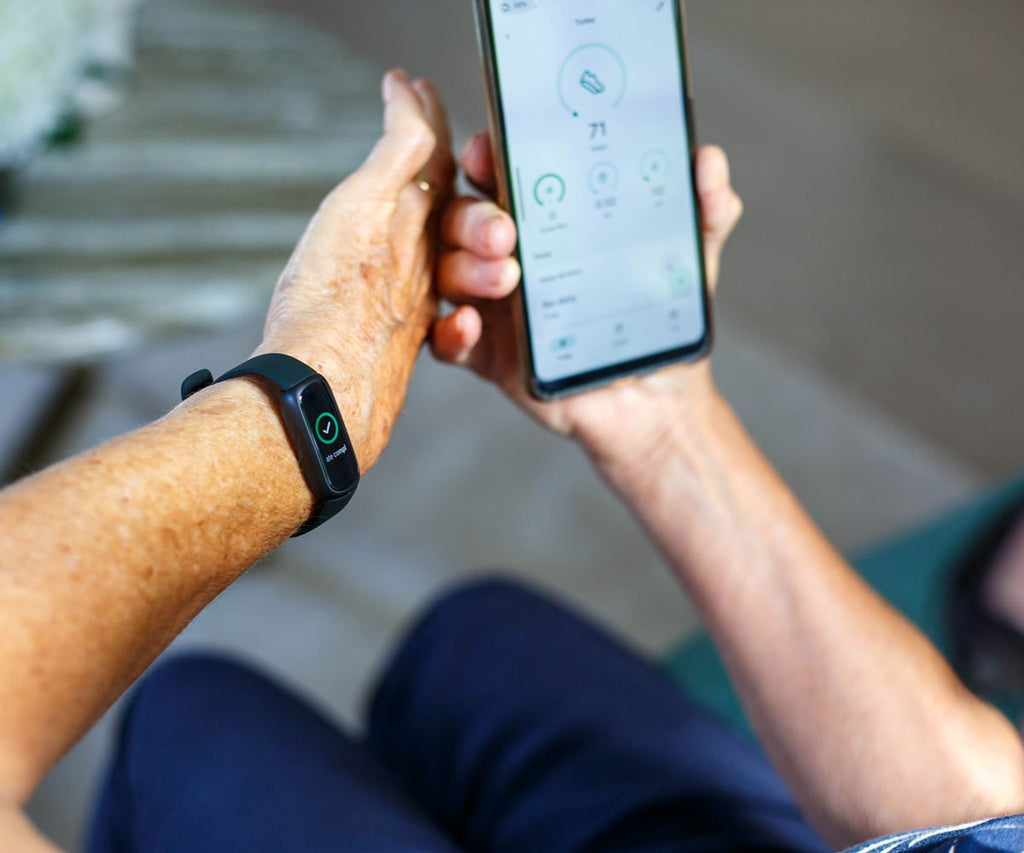
Person holding a smartphone with an app open, wearing a smartwatch on wrist.
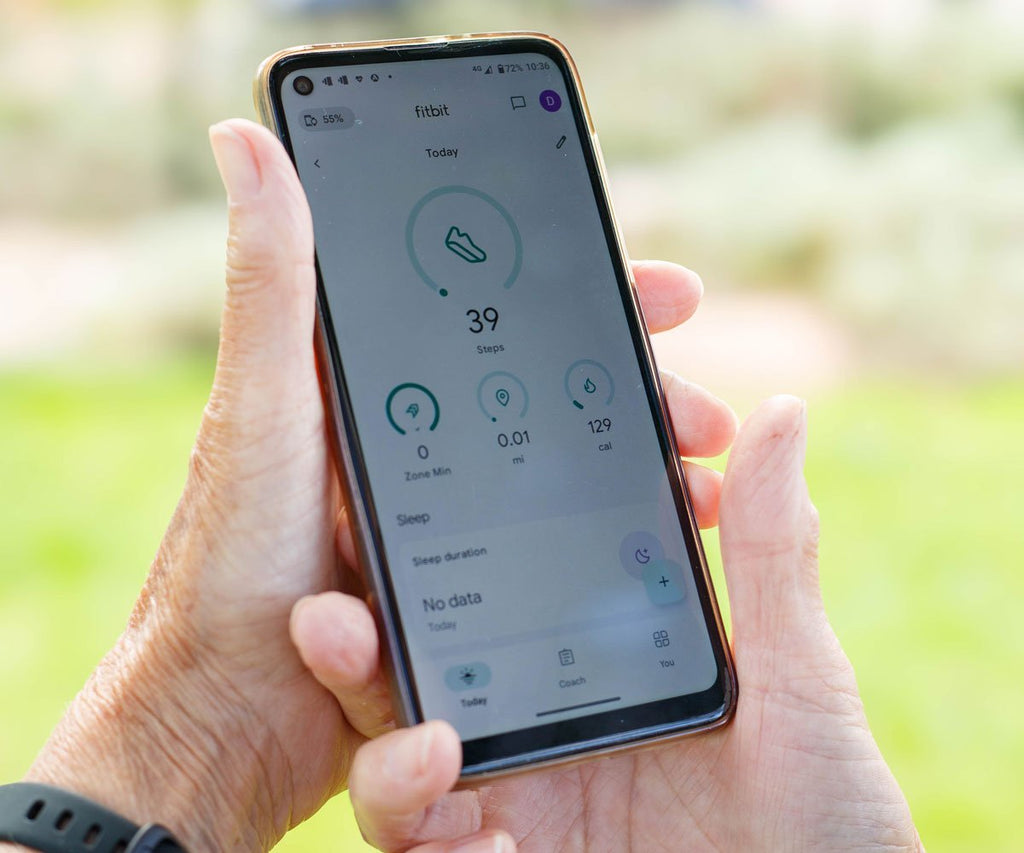
Person holding a smartphone with a fitness app on a blurred outdoor background
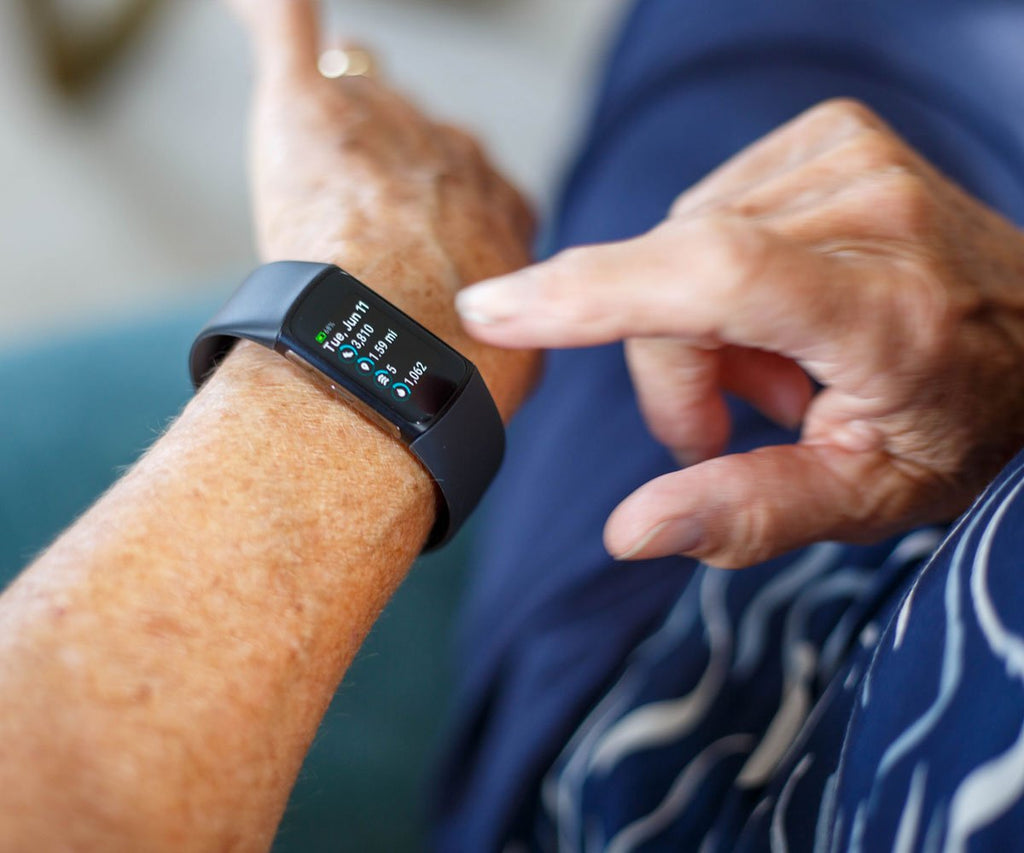
Person using a fitness tracker on their wrist with a blurred background

Taking Care Prevent

Set-up Cost: £50.00

Monthly Cost: £20.00


A proactive falls prevention service that monitors health and activity levels, helping you maintain strength, mobility and independence with personalised support when it matters most.


Select Payment Plan

Select a payment plan

The one-off setup cost is paid today by debit or credit card, with your ongoing subscription paid separately by Direct Debit.

You’ll be asked to complete a Direct Debit form after placing your order, and a link will be included in your confirmation email. We recommend setting this up as soon as possible to avoid any disruption to your service.

Set-up Cost: £50.00
Monthly Cost:

Setup and subscription costs

The one-off setup cost includes delivery, purchase of the Fitbit and getting everything ready to use.

Your subscription covers use of the Taking Care Prevent service and support from our Prevention team.

£20.00
Person holding a smartphone with an app open, wearing a smartwatch on wrist.

Taking Care Prevent

Set-up Cost: £50.00

Monthly Cost: £20.00


Includes Fitbit
Free next-day delivery
30-day money-back guarantee
No cancellation fee

Prices include VAT and purchase of the Fitbit. Free next working day delivery in England and Wales for orders before 1pm, Monday to Friday. 48-hour delivery is available for other areas.
Offer and pricing terms and conditions apply. View full details

Many falls can be prevented

Injuries from falls and similar accidents are the number one reason older people are taken to emergency hospital departments. Even when injuries are minor, a fall can affect confidence and make it harder to maintain an independent lifestyle.

Taking Care Prevent helps identify early warning signs that may increase the risk of falling, providing personalised support and practical guidance to help you stay active, safe and independent for longer.

Older woman doing stretching exercises

    How it Works

    1. Get started
    Close up of older person exercising whilst wearing fitbit

    Receive your Fitbit activity tracker and connect it to the Prevention app. We'll also give you a welcome call and provide practical guidance to help you get the most from the service.

    2. Track daily activity

    The Fitbit monitors activity levels, movement and sleep patterns. This information is securely analysed to build a picture of your normal routine and wellbeing.

    3. Identify changes early

    Our technology looks for changes that may indicate an increased risk of falling, such as reduced activity levels or disrupted sleep.

    Our Prevention Team is alerted to ‘high’ risk factors up to 10 days in advance.

    You and your family can view activity insights through the app. Automatic email alerts also notify you and your family of changes that may indicate a higher risk of falling.

    4. Receive personalised support

    If we identify signs of increased risk, our Prevention Team will review the information and contact you to discuss your situation. Together, we'll create a personalised Action Plan tailored to your needs.

    5. Stay active and independent

    Your Action Plan may include practical advice, exercise and lifestyle recommendations designed to improve strength, balance and mobility. We'll follow up to monitor progress and help you stay safe, active and independent for longer.

    Features and Benefits

    Activity monitoring
    Older person looking at Fitbit app

    Track daily movement and activity levels through a comfortable Fitbit wearable.

    Benefit: Helps identify changes in routine that may indicate increasing frailty or a higher risk of falling.

    Early fall risk alerts

    Advanced monitoring looks for patterns associated with an increased risk of falls.

    Benefit: Enables preventative action before a fall occurs, helping you stay safe and independent for longer.

    Personalised action plans

    If high-risk factors are identified, our Prevention Team creates a tailored plan based on your needs.

    Benefit: Practical recommendations can help improve strength, balance and confidence while reducing fall risk.

    Expert Prevention Team

    Our specialist team reviews high-risk alerts and provides one-to-one support.

    Benefit: Reassurance that you're not managing potential risks alone and have expert guidance when you need it.

    Family activity insights

    Health and activity information can be viewed through the Prevention app by customers and approved family members.

    Benefit: Gives loved ones greater peace of mind and helps them support your wellbeing.

    Folllow-up support

    We'll check in after your Action Plan is provided to see how you're getting on and offer additional guidance.

    Benefit: Ongoing support helps you stay motivated and make lasting improvements to your health and mobility.

    What's Included

    Everything you need to get started
    Person wearing a black fitness tracker on a blurred natural background

    You'll receive a Fitbit activity tracker, access to the Prevention app and a welcome call from our team. We'll help you get set up, answer any questions and provide practical guidance to help you get the most from the service.

    Included with your subscription

    Your subscription includes ongoing activity monitoring, access to health and wellbeing insights through the Prevention app, and personalised support if increased fall risks are identified.

    What you will need

    The Fitbit wearer or family member will need an email address and internet access to log in to the app to view activity insights and receive email notifications.

    Taking Care Prevent is not suitable for anyone with sleep apnoea, narcolepsy, insomnia, unstable angina, chronic heart failure, cognitive issues such as dementia or anyone with severe mobility issues.

    Frequently Asked Questions

    How is Taking Care Prevent different from a personal alarm?
    Person wearing a Fitbit smartwatch with a green background

    A personal alarm provides access to help after a fall or emergency. Taking Care Prevent focuses on helping reduce the risk of falls before they happen by identifying changes in activity and wellbeing that may indicate an increased risk.

    Do I need to wear the Fitbit all the time?

    For the most accurate insights, we recommend wearing the Fitbit throughout the day and while sleeping. This helps build a clearer picture of your activity levels, mobility and wellbeing.

    Will I be contacted if my fall risk increases?

    If our monitoring identifies signs of increased fall risk, our Prevention Team may contact you to discuss the findings and create a personalised Action Plan to help reduce risk factors.

    The Prevention Team monitors the progress of the Action Plan with two follow-up calls to ensure effectiveness.

    Can family members view my activity information?

    Yes. Activity insights can be shared with approved family members through the Prevention app, helping loved ones stay informed and providing additional peace of mind.

    What is included in the personalised Action Plan?

    Your Action Plan may include practical advice, exercises, lifestyle recommendations and guidance designed to help improve strength, balance and mobility.

    Is Taking Care Prevent suitable for everyone?

    Taking Care Prevent is not suitable for people with certain health conditions, including sleep apnoea, narcolepsy, severe mobility issues or significant cognitive impairment. Please contact us if you are unsure whether the service is suitable.

    Do I need to pay VAT?

    Yes. Unlike a personal alarm, Taking Care Prevent is not classified as a medical/disability aid and so all prices include VAT.

    Taking Care Prevent vs Personal Alarm

    Why choose one when they work best together?

    Taking Care Prevent helps identify potential fall risks before they become serious, while a personal alarm provides immediate access to help if an emergency occurs. Together, they offer both proactive support and emergency protection. A fall alarm is similar to a personal alarm, with the added reassurance of automatic fall detection.

    Taking Care Prevent Personal Alarm
    What it's designed to do
    Help reduce the risk of falls before they happen Get help quickly after a fall or emergency
    Day-to-day support
    Monitors activity and wellbeing trends to identify potential risks Connects you to an Emergency Resolution Team at the touch of a button
    Support provided
    Personalised Action Plans and prevention support Emergency assistance when needed
    Benefit
    Maintaining strength, mobility and independence Providing reassurance and access to help in an emergency
    Who it's for
    People looking to stay active and reduce their risk of falling People who want immediate access to help if something goes wrong


    Together they provide complete support; prevention before a fall and emergency support if help is needed.

    Need emergency support too?

    Taking Care Prevent helps reduce the risk of falls, while a personal alarm provides access to help if an emergency occurs. Compare our personal alarms to find the right protection for you or a loved one.

    Annual Pricing
    Monthly Pricing
    Close up of digital personal alarm

    Digital Personal Alarm

    A simple care alarm that works in and around your home, giving quick access to help at the touch of a button.


    Set-up Cost: £69.99
    Monthly Cost: £22.49

    • In-home and garden
    • Neck or wrist worn
    • Speak through the base unit

    More information

    Close up digital fall alarm pendant

    Digital Fall Alarm

    A care alarm for use at home, with automatic fall detection for added reassurance.


    Set-up Cost: £69.99
    Monthly Cost: £28.49

    • In-home and garden
    • Fall detection
    • Neck or wrist worn
    • Speak through base unit

    More information

    Black pendant alarm on a chain held by a hand against a yellow background

    Taking Care Anywhere

    A GPS personal alarm for support at home and out and about, with fall detection for reassurance on the move.


    Set-up Cost: £70.00
    Monthly Cost: £31.49

    • In-home and out-and-about
    • Fall detection
    • Neck worn
    • Speak through the pendant or base unit
    • Shares GPS location in emergency

    More information

    Elderly man sat on sofa wearing personal alarm on wrist

    Why Taking Care?

    Trading Standards Approved

    We are proud to be Trading Standards Approved, giving families confidence that our service meets high standards for service, transparency and reliability.

    Over 30 years experience

    Taking Care have been supporting older adults to remain active and independent for over 30 years.

    Trusted by families across the UK

    Over 250,000 people and their families across the UK have relied on our alarms for reassurance at home and on the go.

    Clear, honest pricing

    No hidden costs and simple, transparent pricing.

    Free next working day delivery

    Order today and receive your alarm with fast, reliable next working day delivery in England and Wales. 48-hour delivery available for other areas.

    Further information about falls prevention

    Understanding Falls Prevention

    What is falls prevention?

    Falls prevention refers to actions, tools and support designed to reduce the likelihood of someone having a fall.

    This can include monitoring changes in activity levels, improving strength and balance, and making lifestyle or environmental adjustments to reduce risk.

    The goal is to help people stay independent and avoid injuries that can affect mobility and confidence.

    Why do older people become more likely to fall?

    As people age, natural changes in strength, balance, vision and mobility can increase the risk of falling. Reduced activity levels or health changes can also contribute to frailty over time.

    These changes often happen gradually, which is why early identification of risk factors is important.

    How can falls affect independence and confidence?

    Falls can have both physical and emotional impacts. Even minor injuries may lead to reduced confidence, lower activity levels and increased fear of falling again.

    This can create a cycle where reduced movement leads to further loss of strength and independence.

    Can falls be prevented?

    Many falls can be reduced or prevented by identifying risk factors early and taking proactive steps. This may include improving strength and balance, increasing safe activity levels and addressing environmental risks in the home. Early support can make a significant difference in maintaining independence.

    What are the early warning signs that an older person may be at risk of falling?

    Early warning signs can include walking less than usual, becoming more unsteady, taking longer to move around the home, avoiding stairs, holding on to furniture, disrupted sleep, reduced confidence or a noticeable change in daily routine.

    These changes can happen gradually, so they may not always be obvious straight away. If you are concerned about a change in mobility, balance or confidence, it is sensible to speak to a GP, pharmacist or other healthcare professional.

    Taking Care Prevent is designed to help identify meaningful changes in activity and wellbeing patterns, so early support can be offered before a fall happens.

    Can walking less than usual increase the risk of falling?

    Walking less than usual may be a sign that someone is becoming less active, less confident or less mobile. Over time, reduced activity can contribute to lower strength, poorer balance and increased frailty, which may increase the risk of falling.

    A change in walking or daily movement does not always mean a fall will happen, but it can be an early sign that someone may benefit from support.

    Taking Care Prevent monitors activity patterns to help identify changes that may suggest an increased risk of falling.

    What is the difference between fall detection and falls prevention?

    Fall detection is designed to raise an alert after a fall may have happened, normally using a fall alarm. Falls prevention focuses on identifying risk factors earlier, so action can be taken to help reduce the likelihood of a fall.

    A personal alarm or fall alarm can provide reassurance if someone needs help in an emergency. Taking Care Prevent is different because it is designed to support earlier intervention by monitoring activity and wellbeing patterns, identifying changes and providing personalised support.

    For some people, falls prevention and emergency response can work together as part of a wider approach to staying safe and independent.

    Does a personal alarm prevent falls?

    A personal alarm does not physically prevent someone from falling. Its main purpose is to help the wearer get support quickly if they need help, including after a fall or emergency.

    Falls prevention is different. It looks at the factors that may increase someone’s risk of falling, such as reduced activity, lower strength, balance problems, changes in routine or hazards around the home.

    Taking Care Prevent focuses on prevention by helping to identify changes in activity and wellbeing patterns, so support can be offered earlier.

    How can activity monitoring help with falls prevention?

    Activity monitoring can help identify changes in someone’s normal routine, such as moving less, taking fewer steps or becoming less active over time.

    These changes may suggest that someone is losing strength, becoming less confident or experiencing changes in wellbeing. By spotting these changes earlier, it may be possible to offer support before the person becomes more vulnerable to falling.

    Taking Care Prevent uses activity data from a Fitbit device to build a picture of normal routines and help identify meaningful changes that may indicate increased fall risk.

    How can I reduce the risk of falls for an elderly parent?

    You can help reduce falls risk by encouraging safe movement, supporting strength and balance, removing trip hazards and making sure the home is well lit.

    Useful steps may include checking for loose rugs or trailing wires, keeping walkways clear, making sure frequently used items are easy to reach and encouraging suitable footwear. It may also be helpful to discuss medication, eyesight, dizziness or balance concerns with a GP, pharmacist or healthcare professional.

    Taking Care Prevent can support this by monitoring activity and wellbeing patterns and providing personalised guidance if increased fall risk is identified.

    Why are strength and balance important for falls prevention?

    Strength and balance are important because they help people move safely, recover their footing and stay steady during everyday activities such as walking, standing up, using stairs or moving around the home.

    As people age, they may naturally lose muscle strength and confidence, particularly if they become less active. Gentle strength and balance exercises can help support mobility and independence.

    Anyone starting new exercises should choose activities that are suitable for their ability and speak to a healthcare professional if they have concerns about safety, pain, dizziness or existing health conditions.

    Can fear of falling make someone more likely to fall again?

    Fear of falling can sometimes lead people to move less, avoid everyday activities or stop going out. Although this may feel safer in the short term, reduced activity can lead to lower strength, poorer balance and less confidence over time.

    This can create a cycle where fear of falling leads to less movement, and less movement increases the risk of becoming frailer.

    Falls prevention support aims to break this cycle by helping people stay safely active, maintain confidence and reduce avoidable risks.

    What should I do if my parent is becoming less steady on their feet?

    If your parent is becoming less steady, it is worth talking to them calmly about what has changed. Try to understand whether they feel dizzy, weak, tired, in pain, worried about falling or less confident moving around.

    It may be useful to check for practical risks in the home, such as poor lighting, clutter, loose rugs or difficult stairs. You may also want to encourage them to speak to a GP, pharmacist, physiotherapist or other healthcare professional, especially if the change is sudden or has become worse.

    Taking Care Prevent can help by monitoring changes in activity and wellbeing patterns and providing personalised support where increased fall risk may be identified.

    When should someone seek medical advice about falls risk?

    Someone should seek medical advice if they have fallen, nearly fallen, feel dizzy, have new balance problems, feel weaker than usual, are worried about walking or have become noticeably less active.

    Medical advice is especially important if there has been a sudden change, repeated falls, fainting, confusion, injury, new pain or concerns about medication side effects.

    Taking Care Prevent can support falls prevention, but it does not replace medical assessment or emergency care.

    Can poor sleep increase the risk of falling?

    Poor sleep can affect energy, concentration, reaction times and general wellbeing. For some people, disrupted sleep may also be linked with changes in routine, health or activity levels.

    A period of poor sleep does not automatically mean someone will fall, but changes in sleep patterns can be one of several signals that someone’s wellbeing or mobility may need attention.

    Taking Care Prevent monitors sleep-related trends alongside activity patterns to help identify meaningful changes that may be linked with increased fall risk.

    Why is early intervention important in falls prevention?

    Early intervention is important because changes in activity, strength, balance or confidence can develop gradually. If these changes are identified early, support can be put in place before someone becomes more vulnerable to falling.

    This can help people stay active, maintain confidence and continue living independently for longer.

    Taking Care Prevent is designed to support earlier action by identifying meaningful changes in activity and wellbeing patterns.

    Understanding Taking Care Prevent

    How does Taking Care Prevent work?

    Taking Care Prevent uses a Fitbit activity tracker to monitor daily movement and wellbeing patterns. This data is analysed to understand normal routines and detect changes that may indicate an increased risk of falling. If risks are identified, our Prevention Team can provide personalised support.

    What data does Taking Care Prevent monitor?

    The service monitors activity levels, movement patterns and sleep-related trends through a Fitbit device. This information helps build a picture of typical behaviour so that meaningful changes can be identified early.

    How far in advance can increased fall risk be detected?

    In some cases, changes in activity patterns associated with increased fall risk can be identified up to 10 days in advance by Taking Care Prevent. This allows time for early intervention and preventative support before a fall occurs.

    Does Taking Care Prevent replace advice from a GP or healthcare professional?

    No. Taking Care Prevent is designed to support falls prevention, but it does not replace medical advice, diagnosis or treatment.

    If someone has fallen, feels unsteady, has dizziness, pain, weakness, confusion or a sudden change in mobility, they should seek advice from a GP, pharmacist, physiotherapist or other healthcare professional.

    Taking Care Prevent can help identify changes in activity and wellbeing patterns and provide personalised support, but medical concerns should always be discussed with an appropriate professional.

    Activity monitoring and risk detection

    Can technology help prevent falls in older adults?

    Technology can support falls prevention by helping to identify changes that may not be obvious day to day. For example, wearable devices can monitor activity levels and routines, which may help highlight reduced movement or changes in wellbeing.

    Technology works best when combined with human support, practical advice and appropriate healthcare guidance.

    Taking Care Prevent combines Fitbit activity monitoring with support from a Prevention Team, who can review risk alerts and provide a personalised Action Plan.

    What activity changes may indicate a higher risk of falling?

    Signs may include reduced daily movement, fewer steps, disrupted sleep patterns or a noticeable change in usual routines. These changes can sometimes indicate reduced strength, mobility or general wellbeing.

    Why is sleep important in falls prevention?

    Sleep plays an important role in physical recovery, balance and cognitive function. Disrupted sleep patterns can sometimes be an early indicator of changes in health or wellbeing that may increase fall risk.

    How does activity monitoring help reduce frailty?

    Regular activity monitoring helps identify gradual declines in movement or strength. By spotting these changes early, it becomes possible to take action that supports mobility, helping reduce frailty and maintain independence for longer.

    Does Taking Care Prevent monitor my location?

    No. Taking Care Prevent does not track real-time location. It focuses on activity and wellbeing patterns to help identify changes that may increase fall risk.

    Personalised support

    What happens if a high-risk alert is identified?

    If a potential increase in fall risk is detected, our Prevention Team reviews the information and contacts the customer to discuss next steps. A personalised Action Plan is then created based on individual need.

    What is included in a personalised Action Plan?

    An Action Plan may include tailored recommendations such as strength and balance exercises, lifestyle adjustments and practical guidance to help reduce fall risk and support independence.

    Will I receive follow-up support?

    Yes. After an Action Plan is created, our Prevention Team provides two follow-up calls to review progress, answer questions and provide additional support.

    Can family members be involved in prevention planning?

    Yes. With permission, family members can access activity insights and be included in discussions about support and Action Plans, helping provide reassurance and shared understanding.

    What should be included in a falls prevention plan?

    A falls prevention plan may include practical steps to reduce trip hazards, improve lighting, encourage safe activity, support strength and balance and review wider factors such as footwear, medication concerns, eyesight or confidence.

    Taking Care Prevent provides a personalised Action Plan if increased fall risk is identified. This may include tailored recommendations, strength and balance guidance, lifestyle suggestions and follow-up support from the Prevention Team.

    Subscription and payments

    What does the set-up cost include?

    The set-up cost covers creating your account and registering you as a customer. It also includes purchase of the Fitbit.

    How do I set up Direct Debit?

    After placing your order, a link to set up the Direct Debit will be included in your confirmation email.

    Can someone else pay the subscription?

    Yes, someone else can set up and pay the Direct Debit for your subscription.

    They can complete the form using the link provided or contact our team for assistance.

    Ownership, returns and guarantees

    Do I own the equipment?

    Yes, the purchase of the Fitbit is included in the setup cost.

    What is covered by the warranty?

    The warranty covers faults or issues with your Fitbit.

    If something stops working, we will replace it to ensure your service continues without interruption.

    What is included in the 30-day money-back guarantee?

    You can return your Taking Care Prevent Fitbit within 30 days for a full refund, including both the set-up cost and subscription.

    We will arrange the return and process your refund once the equipment has been received.

    Useful trusted falls prevention resources

    For more information about falls prevention, you may find these trusted resources helpful: